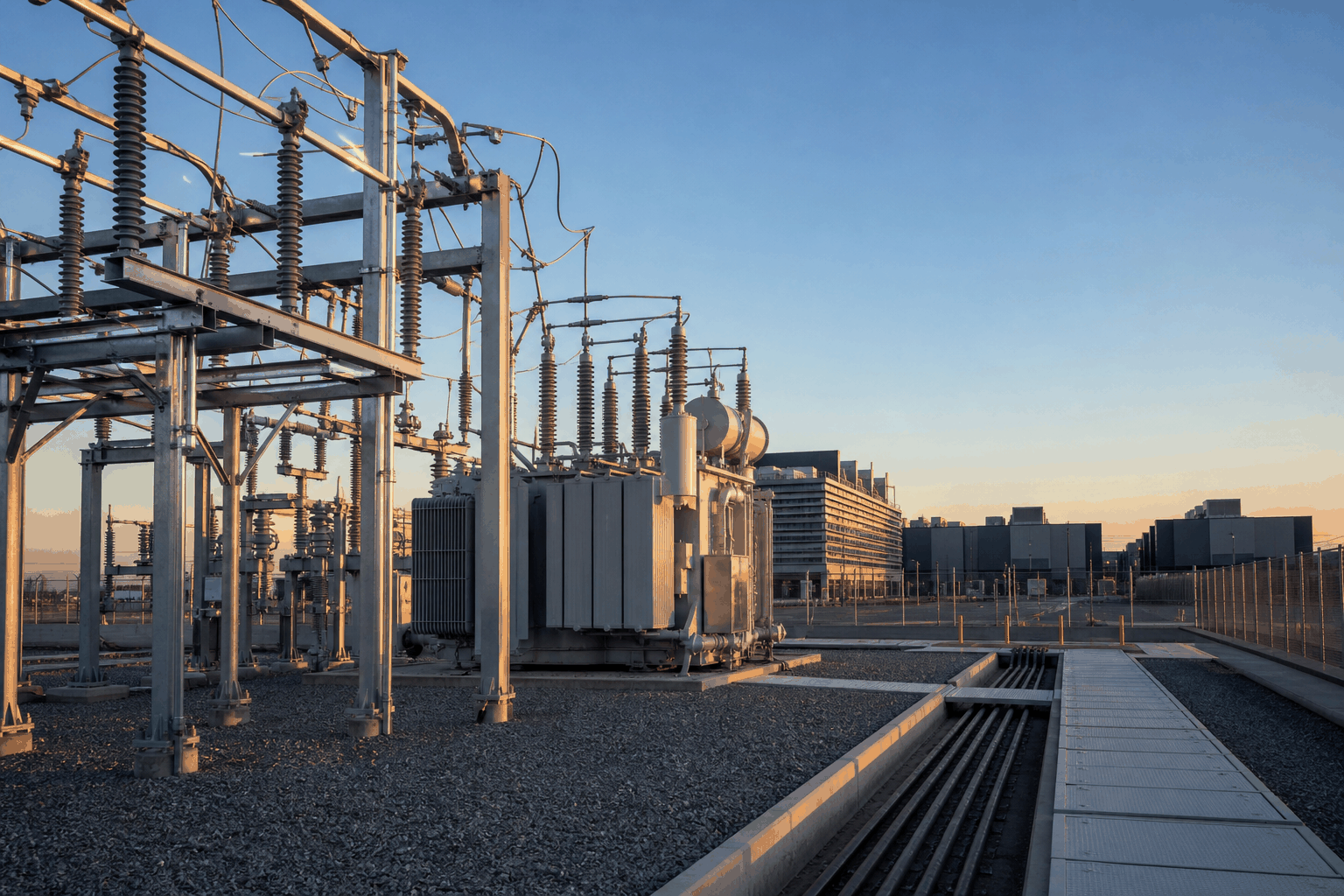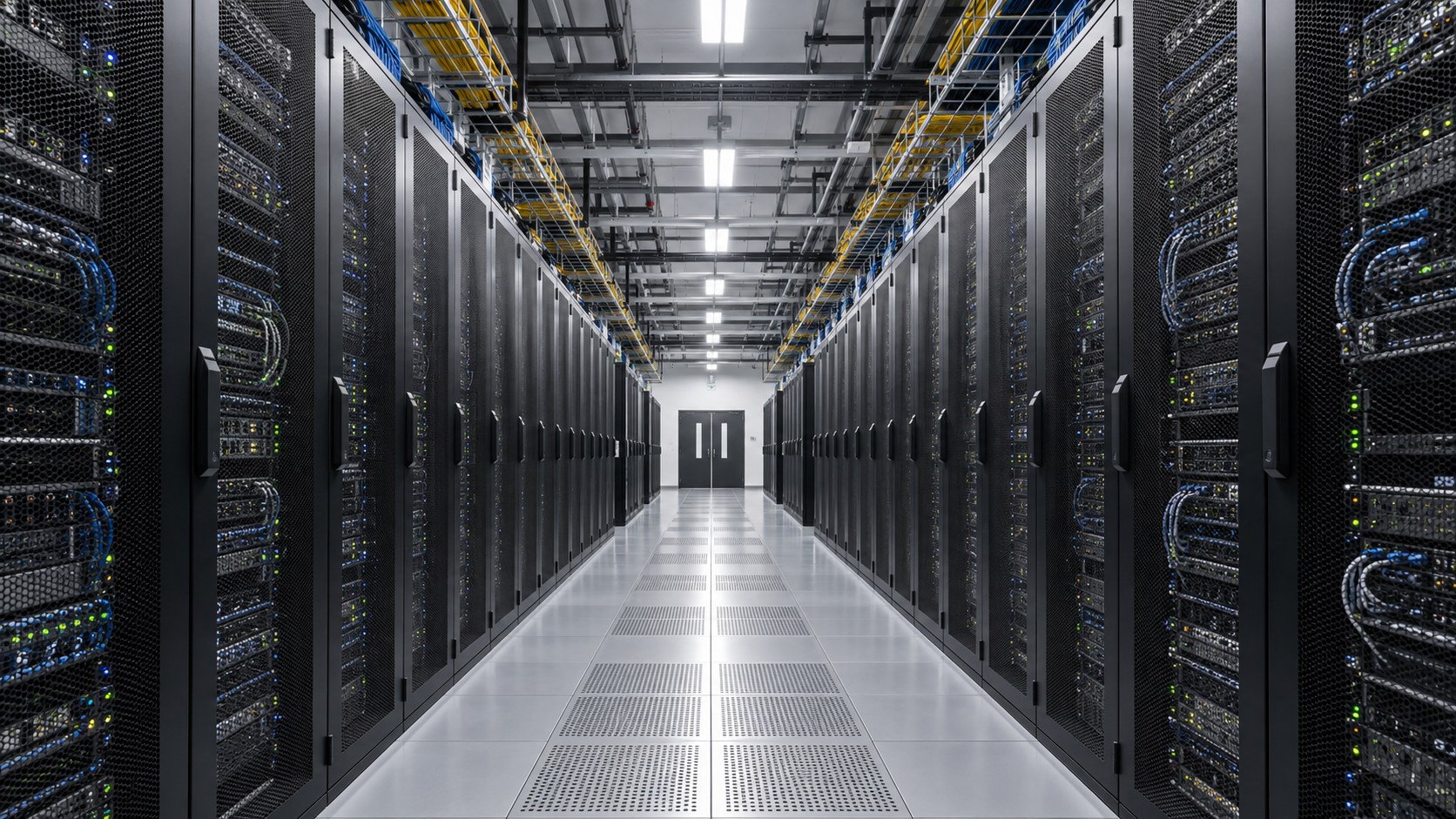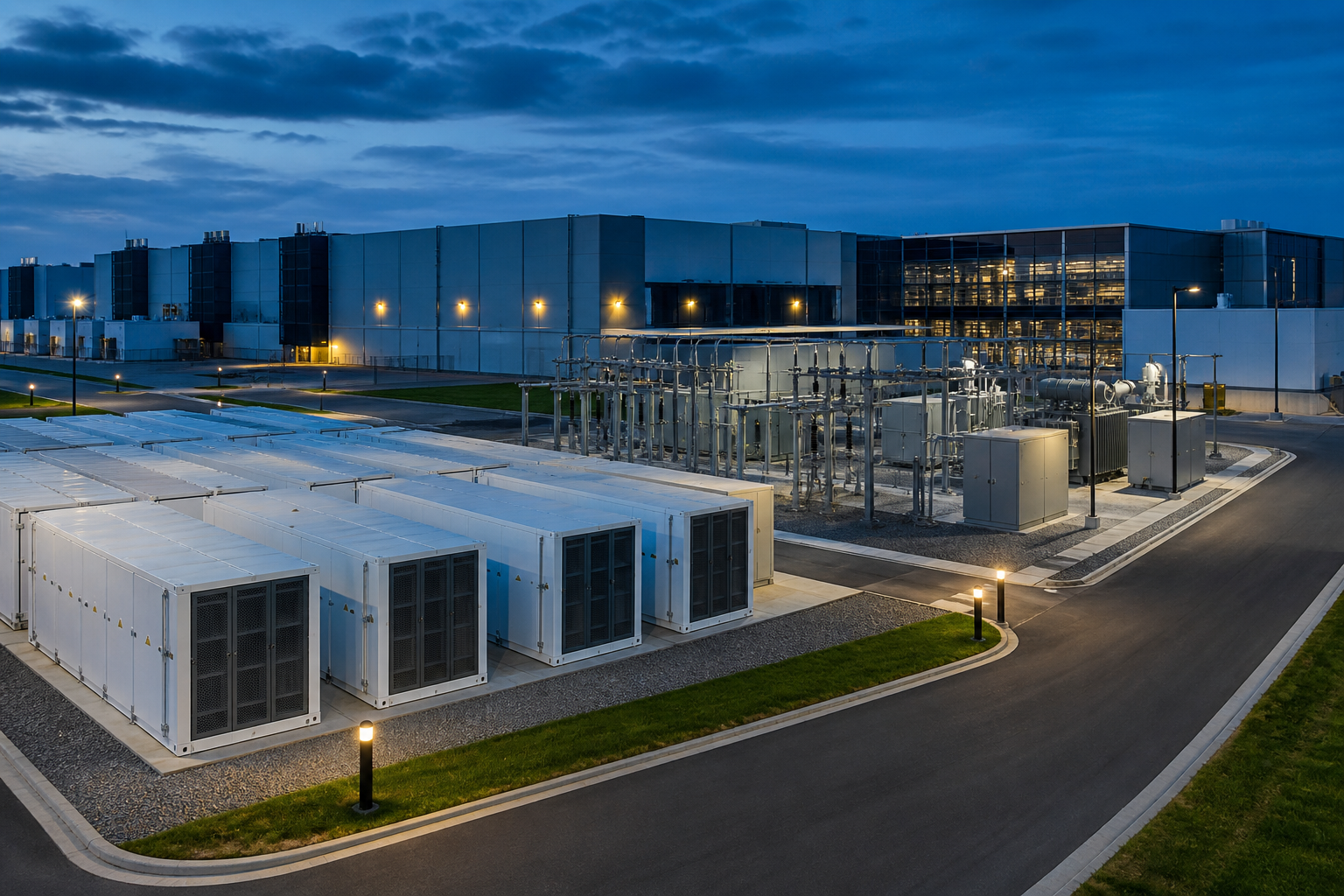
Most data center energy optimization focuses on one thing: cutting costs. But what if that cost-cutting is quietly destroying your infrastructure?
AI inference has fundamentally changed how data centers consume power. Compute demand no longer follows predictable rhythms, it arrives in bursts, sudden and dense, rippling through electrical infrastructure, cooling systems, and backup reserves.
Traditional optimization responds with blunt financial logic: shave peaks, shift loads, chase tariff savings. But data centers aren’t abstract economic systems. They’re governed by physics.
According to the International Energy Agency (IEA) 2024 Electricity Report, global data center electricity consumption is projected to exceed 1,000 TWh annually by 2030, driven largely by AI and hyperscale expansion. At the rack level, densities have escalated from 5–15 kW historically to 40–100+ kW in AI environments.
The Open Compute Project (OCP) reflects this shift. ORv3 racks were originally designed for 18–36 kW, but High Power Rack (HPR) ecosystems under development by Meta and Rittal now target ~92 kW+ per rack. Google, collaborating with Microsoft and Meta under Project Mt. Diablo, is exploring ±400 VDC architectures capable of supporting up to 1 MW per rack.
At these power densities, infrastructure is operating at the edge of its physical limits.
Batteries are the shock absorbers of AI data centers absorbing sudden load spikes, preserving voltage stability, and safeguarding uptime when milliseconds matter. A battery discharged aggressively to avoid a peak tariff may lose years of useful life. Cooling systems pushed to respond instantly can induce thermal stress. Energy savings achieved today can become degraded resilience tomorrow.
The real challenge isn’t to optimize; it’s to optimize safely.
Physics-informed AI offers a different approach. Rather than treating infrastructure as a spreadsheet to minimize, it grounds every decision in thermodynamics, electrochemistry, and electrical limits.
Take battery dispatch. A purely financial algorithm might fully discharge during a tariff spike. A physics-informed system recognizes that action could accelerate aging or violate warranty limits and weighs short-term savings against long-term asset health. The battery becomes a strategic asset, not just an operational tool.
Cooling tells a similar story. Data halls possess thermal memory -- they retain cold just as they retain heat. AI can leverage that inertia for pre-cooling during off-peak periods, while batteries support chillers directly during peak windows. Peak shaving transforms from a blunt tactic into a coordinated physical strategy.
And none of this happens in isolation. During grid instability, resilience outweighs savings. When the grid is stable and tariffs are high, the system acts more aggressively. Optimization becomes not just tariff-aware but grid-aware.
This complexity demands more than raw computation, it demands shared understanding between machines and operators. Ontology-based AI structures how infrastructure, constraints, and objectives are represented, creating a common language where AI agents and human operators collaborate rather than compete. Operators retain authority over safety and uptime. AI manages the high-frequency balancing of cost, performance, and longevity.
Automation doesn’t replace judgment. It augments it.
In environments where AI influences physical infrastructure, trust is paramount. Certification frameworks like UL 3115 ensure intelligent control systems operate within defined safety boundaries bridging innovation and operational confidence.
Together, physics-informed modeling (like the work we are doing in creating Hanwha’s EMS platform with ontology-driven reasoning) and certified safety frameworks enable a new operational philosophy where efficiency and resilience are no longer opposing forces.
The most advanced data centers won’t be those that minimize energy consumption alone. They’ll be those that manage energy intelligently, respecting the laws of physics while aligning with the realities of economics and uptime.
Originally published on LinkedIn on March 16, 2026.